Backline: A Handwritten Font for Authentic Design
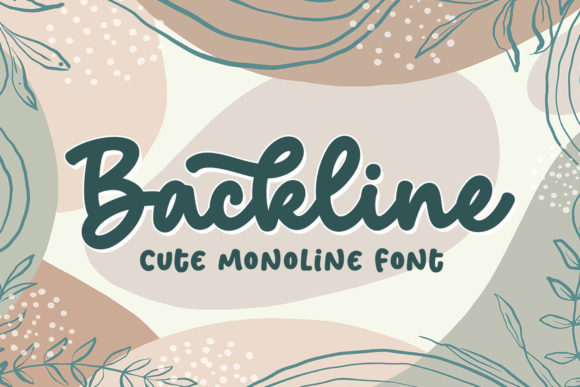
In a digital landscape saturated with sterile, uniform typefaces, a font with genuine character can be the most powerful tool in a designer's arsenal. Backline is a cute and simple lettered handwritten font that can be used for all chalkboard quotes or teaching material! Its authentic look will add a personal and realistic feel to your designs, instantly bridging the gap between digital precision and human touch. This isn't just another script font; it's a strategic creative asset for projects demanding warmth and relatability.
The Role of Authentic Typography in Modern Design
Effective visual communication hinges on emotional connection. While clean sans-serifs excel in UI design and web design for clarity, they can sometimes lack personality. This is where a font like Backline shines. Its handwritten, chalkboard-inspired aesthetic taps into a powerful design trend that prioritizes authenticity, nostalgia, and a handcrafted feel. In branding, this translates directly to stronger brand identity—a visual shorthand for approachability, creativity, and trustworthiness. It tells a story before a single word is read.
Practical Applications for the Backline Font
The versatility of a well-crafted handwritten font is often underestimated. Integrating Backline into your creative projects can elevate a wide range of deliverables. Consider its application in:
- Branding and Logo Design: Perfect for boutique brands, cafes, artisanal products, and creative studios seeking a friendly, personal logo design.
- Marketing Materials: Enhance social media graphics, email headers, and digital ads with a human touch that cuts through the noise of generic templates.
- Editorial and Packaging Design: Use for pull quotes, section headings, or product labels to create visual hierarchy and a premium, handcrafted feel in print design.
- Presentations and Digital Products: Transform dry slides or online course materials into engaging, memorable experiences with handwritten annotations and headers.
- Web and UI Design: Sparingly, for call-to-action buttons, hero text, or testimonials to guide user engagement and add personality to an interface.
Integrating Backline into Your Design Workflow
Successful implementation of any creative asset requires thoughtful integration. To use Backline effectively, start by defining your design goals. Is the objective to evoke nostalgia, inspire creativity, or simply stand out? Always test for readability at various scales, especially on mobile devices for web design. Pair it thoughtfully—a bold sans-serif for body copy creates excellent contrast, allowing Backline to dominate the visual hierarchy where it matters most. Consider your color palette; it works beautifully with muted, earthy tones or classic black and white for an authentic chalkboard effect.
Evaluating Quality in Design Assets
When selecting fonts or any design element, prioritize quality and compatibility. A professional font file should include a full character set, consistent letter spacing, and multiple file formats for software compatibility. Evaluate how the typeface interacts with your existing brand systems. Does it complement your primary colors and secondary fonts? A quality asset like Backline should enhance, not clash with, your established visual language, ensuring a cohesive and professional presentation across all platforms.
Ultimately, the strength of a design lies in its ability to communicate the right message to the right audience. Choosing a typeface is a foundational decision that impacts everything from user experience to brand perception. By thoughtfully incorporating character-rich assets like the Backline font, designers and creators can move beyond mere decoration to build genuine connections, turning every piece of visual communication into an opportunity for meaningful engagement.