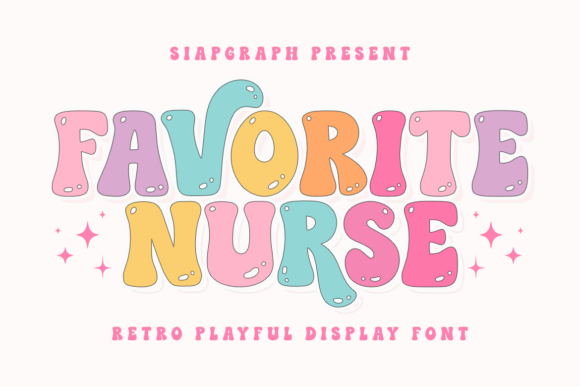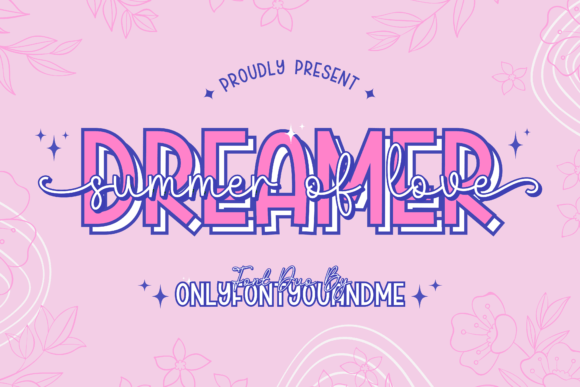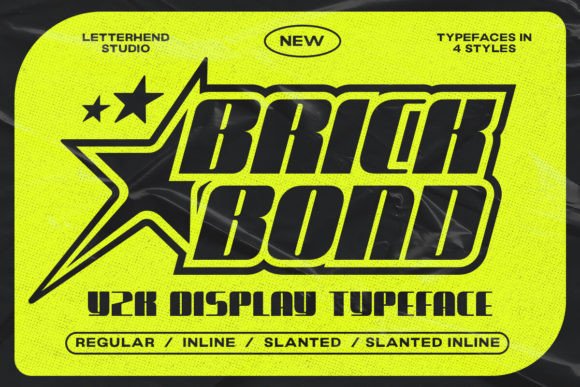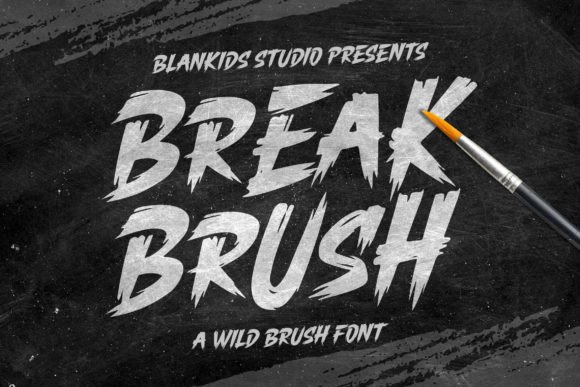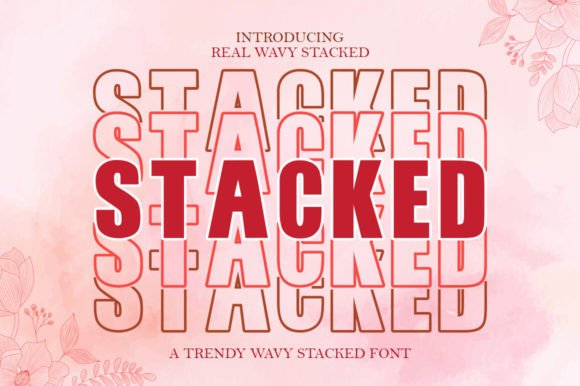
Stacked: The Groovy Font Style Making a Visual Impact
Why Stacked Typography Matters in Modern Design
In a crowded digital landscape, first impressions are formed in milliseconds. Typography is a fundamental pillar of visual hierarchy, guiding the viewer's eye and conveying tone instantly. A style like Stacked, with its inherent depth and playful structure, breaks the monotony of flat, standard fonts. It adds a tactile, almost three-dimensional quality to text, making it ideal for designs that aim to be memorable and engaging. This approach aligns perfectly with current design trends that favor bold, expressive, and authentic visual elements.
Practical Applications for Maximum Impact
The versatility of a well-designed stacked effect allows it to enhance a wide array of creative projects. Its strength lies in its ability to command attention without overwhelming a composition. Consider these practical applications to elevate your work:
- Branding and Logo Design: Use Stacked to create a unique wordmark or logotype that feels energetic and approachable, helping to define a memorable brand identity.
- Social Media Graphics: Cut through the noise with eye-catching titles and call-to-actions that boost engagement on platforms like Instagram and TikTok.
- Marketing Materials: From posters to digital ads, this style helps key messages stand out, improving the effectiveness of your campaigns.
- Packaging Design: Apply it to product names or feature callouts on packaging to create shelf appeal and communicate a fun, modern aesthetic.
- Web and UI Design: Strategically use it for hero section headlines or section titles to inject personality into a user interface, enhancing the overall user experience.
Integrating Stacked into Your Design Workflow
Effectively using a bold style like Stacked requires thoughtful integration into your broader design system. It’s not just about picking a fun font; it’s about ensuring it serves the project’s goals. Always prioritize readability, especially in body text—reserve stacked styles for short, impactful headlines. Consider how it interacts with your color palette; a high-contrast background can amplify its dimensional effect. Ensure scalability, testing how the design looks across different mediums, from a tiny social media icon to a large-format print. This mindful approach ensures the typography enhances, rather than distracts from, your core message.
Tips for Selecting and Evaluating Design Assets
When choosing any creative asset, including a typeface style, evaluate it against your project’s needs. Ask yourself: Does it align with the target audience’s expectations? Does it support the visual hierarchy I need to establish? Is it compatible with other elements in my design toolkit, such as imagery and layout grids? A quality asset should offer flexibility and consistency, becoming a reliable part of your professional presentation rather than a one-off gimmick. This evaluation is crucial for maintaining a cohesive and polished result across all touchpoints.